
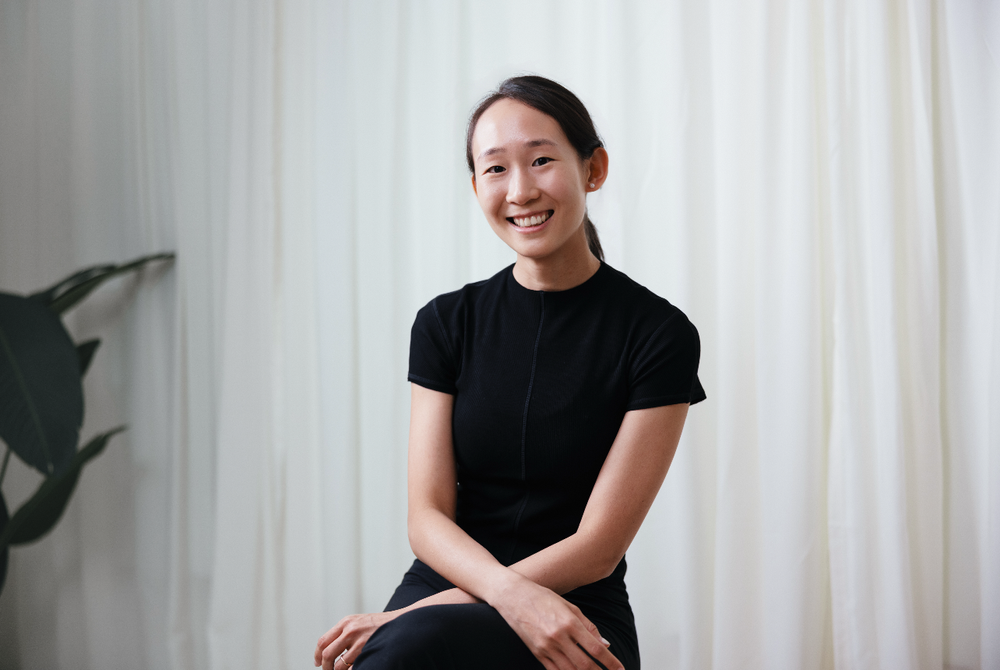
Lianhe Zaobao’s Street Interviews column spoke to Cheryl Long, Goji’s Clinical Director, for a feature on the symptoms women are most often told to live with: pelvic floor weakness after childbirth, aches that persist long after the early postpartum weeks, and the physical changes that come with menopause.
The piece traces how Cheryl came to the work. She was a track-and-field athlete at school, and a serious knee injury left her unable to move normally for a time. It was a physiotherapist who got her back to full movement, and that experience is what sent her into the profession.
She went on to spend several years in Singapore’s public healthcare sector. Becoming a mother changed what she noticed clinically. Having three children in a relatively short span showed her how much physical and emotional load mothers carry, and how little structured support exists for them once the first few postnatal weeks are over.
That gap is why she started Goji: a practice built around women and children, covering the whole span from pregnancy through to menopause rather than stopping at the six-week check.
The article also touches on the wider shift of physiotherapists from public hospitals into private practice. Cheryl’s read on it is that the move is less about pay than it is about flexible hours and having a say in how care is delivered, particularly for those who are also mothers.
Further reading from Goji
The article brings welcome attention to symptoms that many women quietly live with through pregnancy, postpartum recovery and menopause.
For readers who recognise some of these experiences, our guides to urinary incontinence, pelvic organ prolapse and menopause explain common signs, what a physiotherapy assessment may involve and the kinds of support that may be available.